
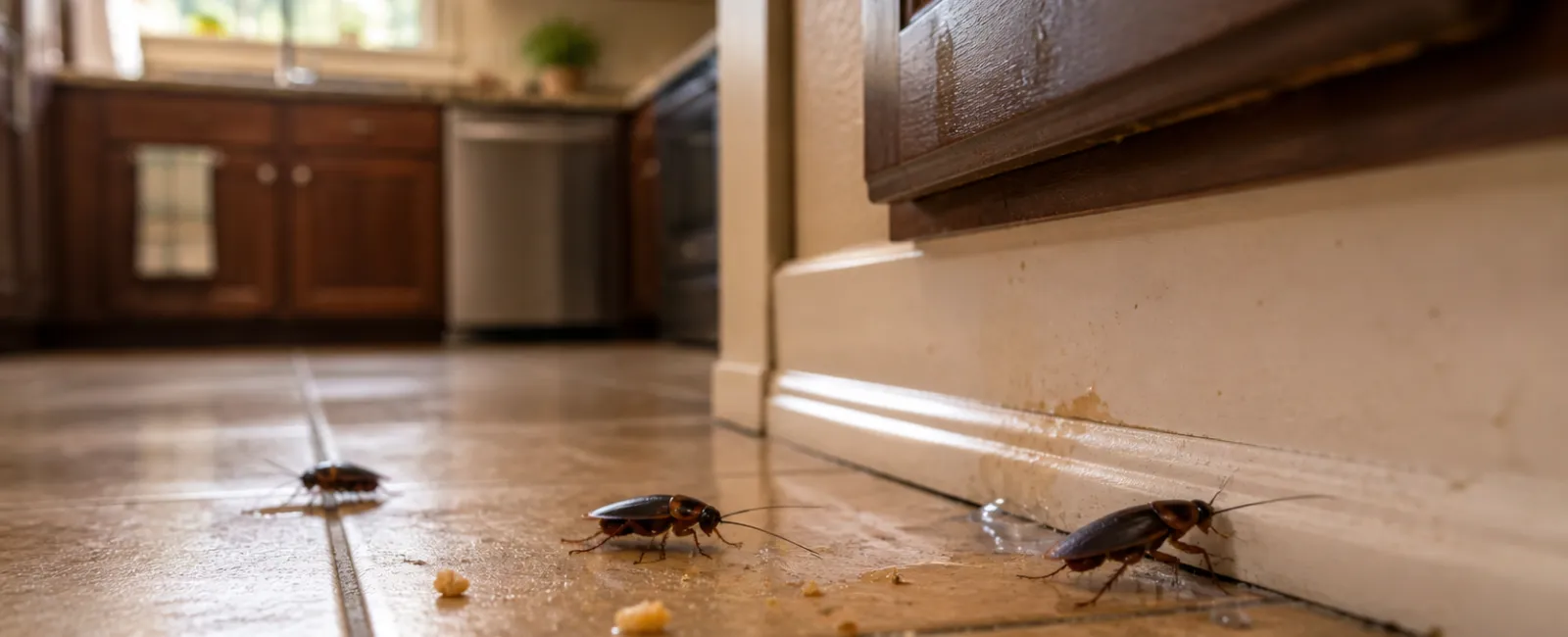
One egg case can hold dozens of baby roaches, and if you do not act fast, a small issue can spiral into a full-blown infestation in a matter of weeks, but once you know what to look for, you can find and eliminate roach eggs before the next generation hatches.
What Do Cockroach Eggs Look Like?
Cockroaches do not lay individual eggs the way some insects do. Instead, they produce a protective case called an ootheca that holds multiple eggs inside a single capsule. So when people ask "what do roach eggs look like," they are usually looking at these egg cases rather than individual eggs.
A roach egg case is small, typically between a quarter inch and a half inch long depending on the species. Most are oval or pill-shaped with a slightly ridged surface. The color ranges from reddish-brown to dark brown or nearly black, and the texture looks almost like a tiny leather purse or dried bean.
Where Do Roaches Lay Eggs?
Roaches are not careless about where they leave their eggs. They look for spots that are dark, warm, humid, and close to food sources. Some of the most common hiding spots include behind refrigerators and stoves, inside kitchen cabinets and pantry shelves, underneath bathroom sinks, inside cardboard boxes and paper bags, behind baseboards and wall trim, and near plumbing lines where moisture collects.
If your home has any areas that stay consistently warm and damp, those are the first places to check. Roaches are especially drawn to kitchens and bathrooms, but they will lay eggs anywhere that offers protection.
This is also why clutter is such a problem. Cardboard, newspaper, and stacked storage bins create the perfect environment for roaches to deposit their egg cases out of sight. If you are wondering what attracts roaches to your home, excess clutter and moisture are two of the biggest factors.
How Many Roaches Are in One Egg?
A single cockroach egg case does not hold just one or two babies. Depending on the species, a single ootheca can contain anywhere from 14 to 48 eggs. And a single female cockroach can produce multiple egg cases throughout her lifetime.
Here is a quick breakdown by species. German cockroaches produce around 30 to 48 eggs per case and can create 4 to 8 cases in a lifetime. American cockroaches produce about 14 to 16 eggs per case and may produce 6 to 14 cases total. Oriental cockroaches hold roughly 16 eggs per case and produce around 8 cases in their lifetime.
When you do the math, one female German cockroach alone can be responsible for up to 384 offspring. That is why even a single egg case demands immediate attention. The population can explode before you realize how serious the problem has become.
German Cockroach Eggs vs. American Cockroach Eggs
Knowing which species you are dealing with changes how you approach the problem. In South Florida, the two most common culprits are the German cockroach and the American cockroach (sometimes called the palmetto bug).
German cockroach eggs are light brown and about a quarter inch long. The female carries the egg case attached to her abdomen until just before the eggs hatch, which means you are less likely to find loose German cockroach eggs sitting around. If you do find one, the nymphs are probably about to emerge or already have. German roaches also reproduce faster than any other common household species, which is why they are considered the most difficult to control.
American cockroach eggs are darker, often a deep reddish-brown to black color, and slightly larger at about three-eighths of an inch long. American roach females deposit their egg cases in hidden locations and glue them to surfaces using a secretion from their mouths. You might find these cases stuck to walls inside cabinets, behind appliances, or near basement pipes.
If you are finding roach egg cases in your home, identifying the species tells you a lot about where to focus your treatment and how urgently you need to act.
How to Get Rid of Cockroach Eggs in Your Home
Most over-the-counter sprays and baits kill adult roaches but do very little to destroy the eggs themselves. The hard shell of the ootheca protects the developing embryos from most pesticides, and since roaches do most of their foraging and egg-laying at night, you may not even realize how active they are while you sleep. That means even after you think you have treated the problem, a new wave of baby roaches can hatch days or weeks later.
There are some steps you can take to reduce the chances of that happening.
Find and remove egg cases manually. Check all the common hiding spots listed above and vacuum up any egg cases you find. Dispose of the vacuum bag or empty the canister into an outdoor trash bin immediately.
Eliminate moisture sources. Fix leaking pipes, use a dehumidifier in damp areas, and wipe down wet surfaces. Roaches need water even more than food, so cutting off their moisture supply makes your home far less hospitable.
Reduce clutter. Get rid of cardboard boxes, paper bags, and unnecessary storage items, especially in kitchens, garages, and closets. These provide ideal egg-laying sites.
Use IGR (insect growth regulator) products. Unlike standard sprays, IGR products interfere with the development cycle and can prevent eggs from hatching successfully. These are available at most home improvement stores, but professional-grade products are significantly more effective.
Seal entry points. Caulk cracks around baseboards, pipes, and windows. Roaches can squeeze through surprisingly small gaps, and sealing them off cuts down on new roaches entering your home to lay more eggs.
When to Call a Professional
If you are finding cockroach eggs regularly, or if you have treated the problem yourself but keep seeing new roaches appear, it is time to call in a professional. Egg cases are easy to miss, and a single overlooked ootheca can restart the entire cycle.
A trained technician can identify the species, locate hidden egg deposits you may not have found, and apply targeted treatments that address every stage of the cockroach lifecycle, not just the adults.
At Greg's Pest Control, we deal with cockroach infestations across Broward County every day. Whether you are battling German roaches in the kitchen or American roaches coming in from outside, our team will find the source and eliminate it. Schedule your inspection today or give us a call to get rid of roaches for good.