
What Is Hantavirus?
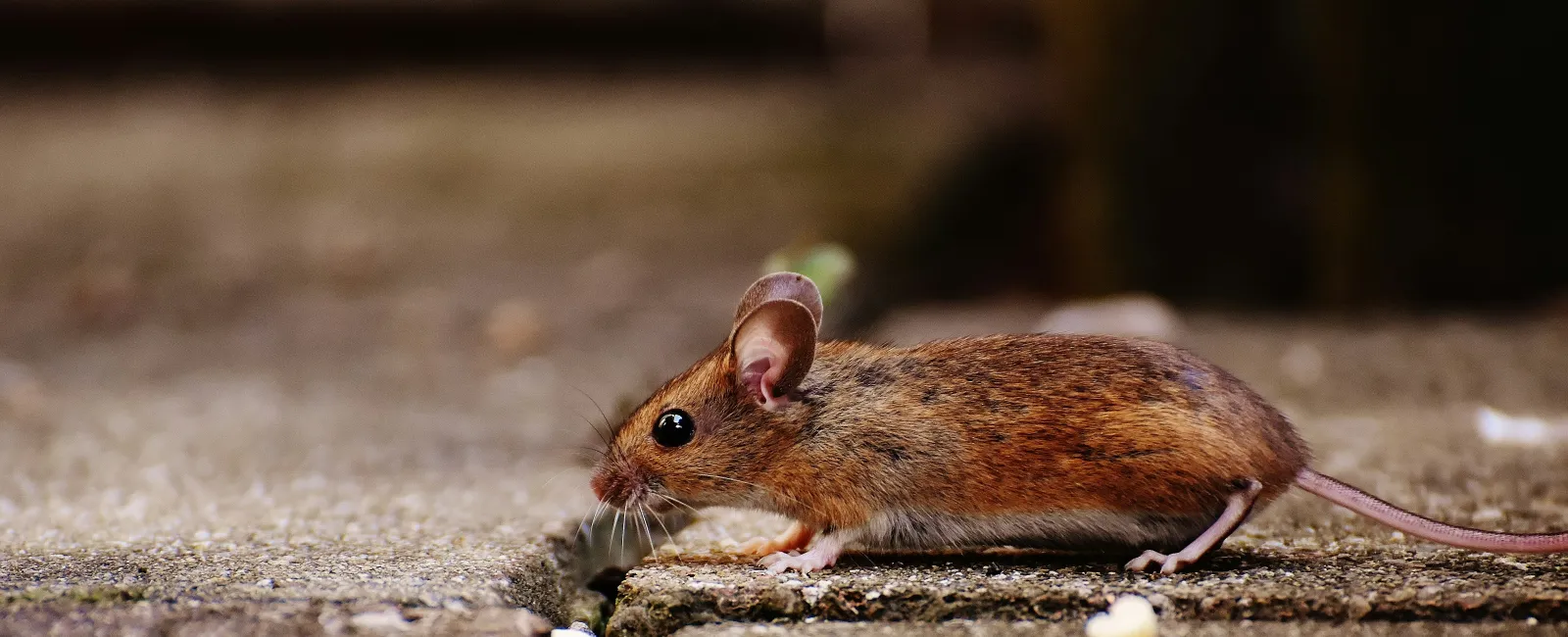
Hantavirus is a family of viruses carried by wild rodents, most notably the deer mouse, cotton rat, rice rat, and white-footed mouse. In the United States, it causes a rare but serious illness called Hantavirus Pulmonary Syndrome (HPS), which attacks the lungs and can progress quickly from flu-like symptoms to severe respiratory failure.
According to the CDC, hantavirus was first identified in the U.S. in 1993 after an outbreak in the Four Corners region. Cases are reported across the country every year. Roof rats and cotton rats are common in Broward County, and any property with rodent activity carries some level of risk.
How Do You Get Hantavirus?
This is where most people get it wrong. You don't catch hantavirus by being bitten or by touching a mouse. You catch it by breathing it in.
When rodents are infected, they shed the virus in their urine, saliva, and droppings. Once those materials dry out, the virus particles can become airborne the moment something disturbs them. Sweeping, vacuuming, shaking out a tarp, or moving boxes in a shed can all kick virus-laden dust into the air. You inhale it, and infection can follow within one to eight weeks.
The most common ways people are exposed include:
- Cleaning out garages, attics, sheds, or crawl spaces where rodents have been nesting
- Handling old insulation, cardboard, or stored items contaminated with droppings
- Disturbing nests inside walls, vents, or under appliances
- Working in barns, cabins, or vacation homes that have been closed up for a while
Direct contact with a contaminated surface and then touching your eyes, nose, or mouth can also spread the virus, though it's far less common than airborne exposure.
How Long Are Mouse Droppings Dangerous?
A reasonable assumption is that dried droppings are safer than fresh ones; however, that's not true. Hantavirus can survive in rodent waste for two to three days at room temperature, and cooler, darker spaces like attics and crawl spaces can extend that window. The bigger danger is that dried droppings crumble easily, which is exactly what releases the virus into the air. Never assume old rat poop or rodent droppings are safe to clean up casually. Treat every pile, fresh or dried, like it's contaminated.
The CDC reports that Hantavirus Pulmonary Syndrome has a fatality rate of around 38 percent in the United States. Early symptoms look like the flu, including fever, muscle aches, fatigue, headaches, and stomach issues. Within a few days, fluid floods the lungs, and breathing becomes difficult. Additionally, there is no specific cure. Treatment focuses on supportive care in an ICU, and survival depends heavily on catching it early. If you've been around rodent activity and start feeling flu-like symptoms, tell your doctor about the exposure right away.
Why Professional Rodent Control Is the Best Defense
Professional rodent control solves the problem you can't see. Here's what a trained technician actually does that snap traps and store-bought bait can't.
1. Identifies Rodent Activity Early
Most homeowners do not spot the majority of rodents living on their property. A licensed technician knows the signs to look for: rub marks along baseboards, gnaw damage on wires, nesting material in insulation, and droppings in places you'd never check. Catching activity in the first week or two prevents the kind of buildup that creates real health risk.
2. Seals Entry Points So Rodents Can't Get Back In
Mice can squeeze through a hole the size of a dime. Rats need only a quarter-inch gap. Professional rodent control includes exclusion work, which means physically sealing every gap around pipes, vents, foundation cracks, garage doors, soffits, and rooflines. This is the reason rodents keep coming back after homeowners think they've solved the problem.
3. Removes the Attractants Drawing Them In
Rodents come for food, water, and shelter. A professional inspection identifies the attractants on your property, including pet food left in garages, bird seed in sheds, leaky outdoor spigots, dense landscaping against the foundation, and clutter in storage areas. Removing or relocating these is often the difference between a one-time treatment and a recurring problem.
4. Stops Infestations Before They Become a Health Issue
The longer rodents live in a home, the more droppings, urine, and contamination they leave behind. Early professional intervention keeps populations small, contamination minimal, and your exposure to potential pathogens like hantavirus, salmonella, and leptospirosis as low as possible. Prevention is almost always cheaper, safer, and less invasive than reacting to a full infestation.
Why Rodent Control Matters More Than You Think
A single breeding pair of mice can produce dozens of offspring in a year, and each rodent leaves behind 50 to 75 droppings per day. Multiply that by a small infestation and you're looking at thousands of contaminated particles tucked into walls, attics, and storage areas, often in places you'll eventually have to clean.
Effective rodent control protects your family in three ways:
- It removes the source. Fewer rodents means fewer droppings, less urine, and dramatically less viral exposure over time.
- It seals out future invaders. Mice can squeeze through a hole the size of a dime. Professional rodent control includes exclusion work that closes those entry points.
- It identifies hidden activity. Most homeowners only see 10 percent of the rodents on their property. A trained technician finds the nests behind the walls and under the kitchen cabinets where droppings quietly pile up.
DIY traps can knock down a few visible mice, but they rarely solve the underlying problem. The rodents keep coming because the access points, food sources, and harborage are still there.
Protect Your Home and Your Lungs
Hantavirus is rare, but the consequences are severe enough that the smartest play is keeping rodents out of your home in the first place. That's exactly what professional rodent control is designed to do, and it's far safer than facing down a contaminated attic with a broom and a trash bag.
Greg's Aggressive Pest Solutions has protected Broward County homes for over 32 years. Our licensed technicians inspect your property, identify rodent activity, seal entry points, remove attractants, and put a long-term prevention plan in place so you never have to worry about what's hiding in your walls.
Schedule a rodent control inspection today. The best time to deal with rodents is before they become a health problem.