
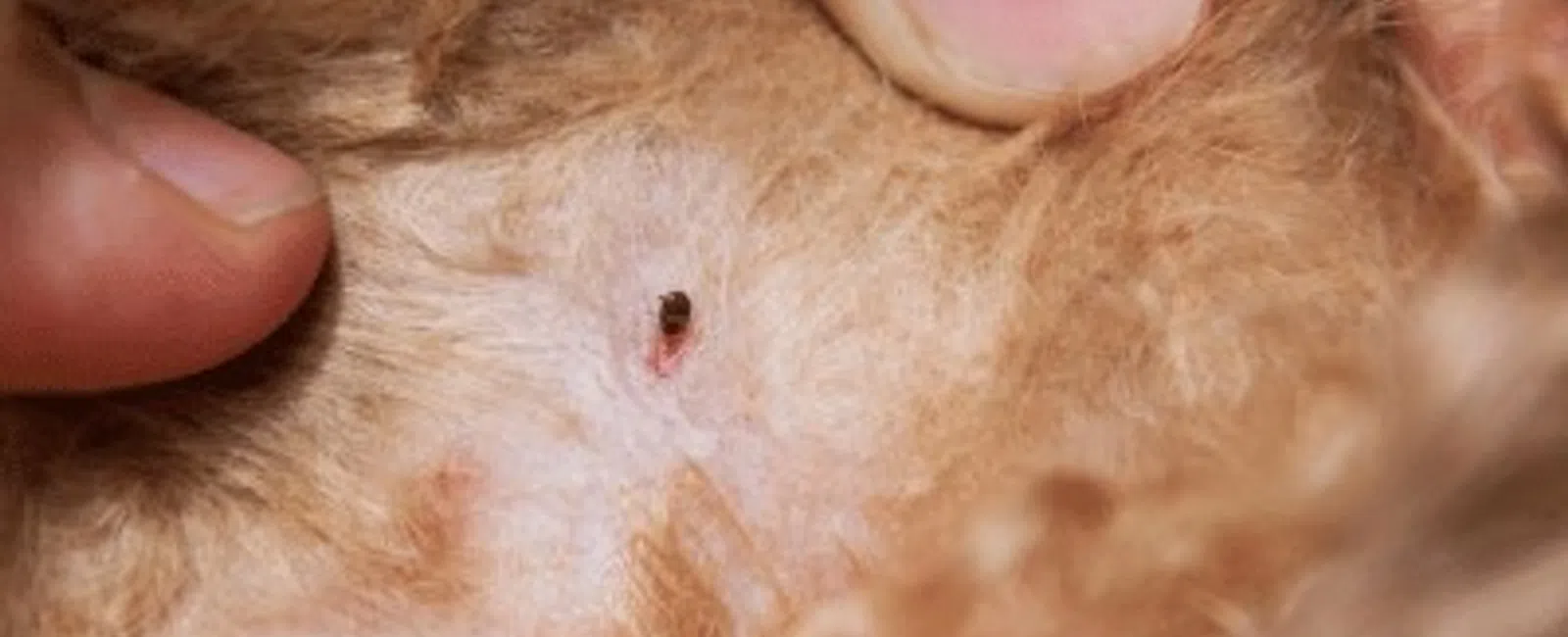
What Flea Dirt Actually Is
It is flea feces, and it is mostly digested blood. Fleas
feed on blood; they process very little of it, and what comes out the other end
is the dark residue people find in fur and fabric. Some people call it flea
poop, some call it flea droppings, and it is all the same material.
That composition is also why it identifies itself. Ordinary
household grit stays grit when it gets damp. Flea dirt does not, because dried
blood rehydrates. Add moisture, and it breaks down into a rusty reddish
brown rather than staying dark. That reaction is the whole reason the question
of what color is flea dirt has a confusing answer: dry it reads near black, wet
it reads red.
What It Looks Like Before You Test Anything
The specks are small, dark, and irregular. People describe
them as ground pepper or coffee grounds, which is close enough for
identification purposes.
What separates them from ordinary dirt, before any moisture
is involved, is where they sit and how they cluster. Flea dirt collects where a
flea has been feeding or resting rather than scattering evenly the way
tracked-in soil does. On an animal, it concentrates at the base of the tail and
along the belly. In a house, it collects where a pet lies down: bedding, the seams of upholstered furniture, and the carpet fibers under
a favorite spot.
If you find flea dirt on a bed, that is worth taking
seriously for a different reason than the others. It means an animal has been
feeding on something while it slept there.
The Part The Pet Articles Leave Out
Flea dirt is not only evidence. It is food.
University extension entomology describes the flea larva as
feeding mainly on dried adult flea feces, supplemented occasionally by other
organic debris. That single fact changes what the specks mean. The dark
material in your carpet is what the next generation of fleas is eating right
now.
It gets worse once you add the other half of the life cycle.
Flea eggs are laid on the animal but do not stay there. They fall off readily
onto floors, bedding, and furniture. Adults feed and lay on the host; the eggs
drop into the environment, and the larvae that hatch find a food supply already
waiting in the same fibers.
So flea dirt in carpet is not residue left behind by a
problem that has moved on. It is the nursery.
Why You Can Find Flea Dirt And No Fleas
This is one of the most common questions, and the answer isn't reassuring.
Adults are the visible stage and the short one. Eggs, larvae, and pupae make up the rest of the cycle, and they live in the environment rather than on the animal, which means they are effectively invisible in carpet and upholstery. A house can hold a substantial population with almost nothing
walking around on the pet.
The pupal stage is what makes people think the problem resolved on its own. Fleas can remain in it from five days to five
weeks when no host is present. Nothing bites anyone during that window, nobody
sees an adult, and the assumption is that whatever it was has passed. Then a
host becomes available, and the emergence begins.
Finding flea dirt but no fleas usually means you are looking
at the quiet part of the cycle, not the end of it.
Why Treating The Animal Alone Does Not Finish It
Extension guidance is blunt about this. Pets get reinfested
from the premises, and effective control means treating the sleeping areas, the
bedding, and the other places the animal spends its time, not only the animal.
That distinction separates a veterinary problem from a pest control problem, and it is why the two aren't in
competition. What lives on the animal is your veterinarian's territory, and
anything applied to the animal itself should come from them. What has moved
into the carpet, furniture, and floor seams is a structural problem, and clearing fleas from carpet is a different job with different methods.
Doing one without the other is the most common reason people
feel like they are treating the same infestation twice. They are, because you only addressed half of it.
Why Broward County Homes Do Not Get A Break From This
Nothing in the flea life cycle here is interrupted by
weather. Warmth and humidity hold year-round, indoor conditions stay stable regardless of season, and no cold stretch thins the population in
carpet and bedding the way it does further north.
Tile floors help less than people assume. Fleas don't need carpet; they need harborage, and grout lines, baseboard gaps, area rugs, pet beds, and upholstered furniture provide plenty. Homes with a screened patio
or a dog door add a second pressure point, because the outdoor shaded harborage
never dies back either.
The practical consequence is that a flea problem in South
Florida does not wait out a season. It waits for a host.
What Actually Resolves It
There is no way to remove flea dirt and be finished.
Cleaning lifts the visible material, which is worth doing, but it does not
touch the eggs and pupae already seated in the fibers, and the pupal stage is
resistant to most of what gets thrown at it.
What resolves an infestation is treating the environment on
a cycle that outlasts the life stages, in the places the animal actually spends
time, while your veterinarian handles the animal. That is why flea work is
measured across visits rather than in a single afternoon, and why our monthly
protection plans are structured the way they are.
If you want to know what else to look for before you call
anyone, the other signs of fleas in a house show up in a
particular order, and flea dirt is rarely the first one. It is also worth
knowing how fleas and ticks differ, because the two get
confused constantly in South Florida and they are not handled the same way.
Talk To A Certified Technician In Broward County
Greg's Aggressive Pest Solutions has worked in Broward
County for more than 32 years.
We do not treat your pet. Your veterinarian does that, and
the two jobs work best together. We handle everything the fleas leave behind in the house.
If you have found dark specks in carpet, bedding, or furniture and want a straight answer about what is in your home, call us today for a free quote. You can also read more about how our flea and tick extermination service approaches
an active infestation.