
Fleas vs Ticks
Both fleas and ticks are parasites that feed on blood; they love pets and can sneak into your home on fur, clothing, or shoes.
- Fleas are wingless insects about the size of a pinhead (1 to 3 mm). They are dark reddish-brown, built for jumping, and reproduce fast. A single female flea can lay 40 to 50 eggs per day.
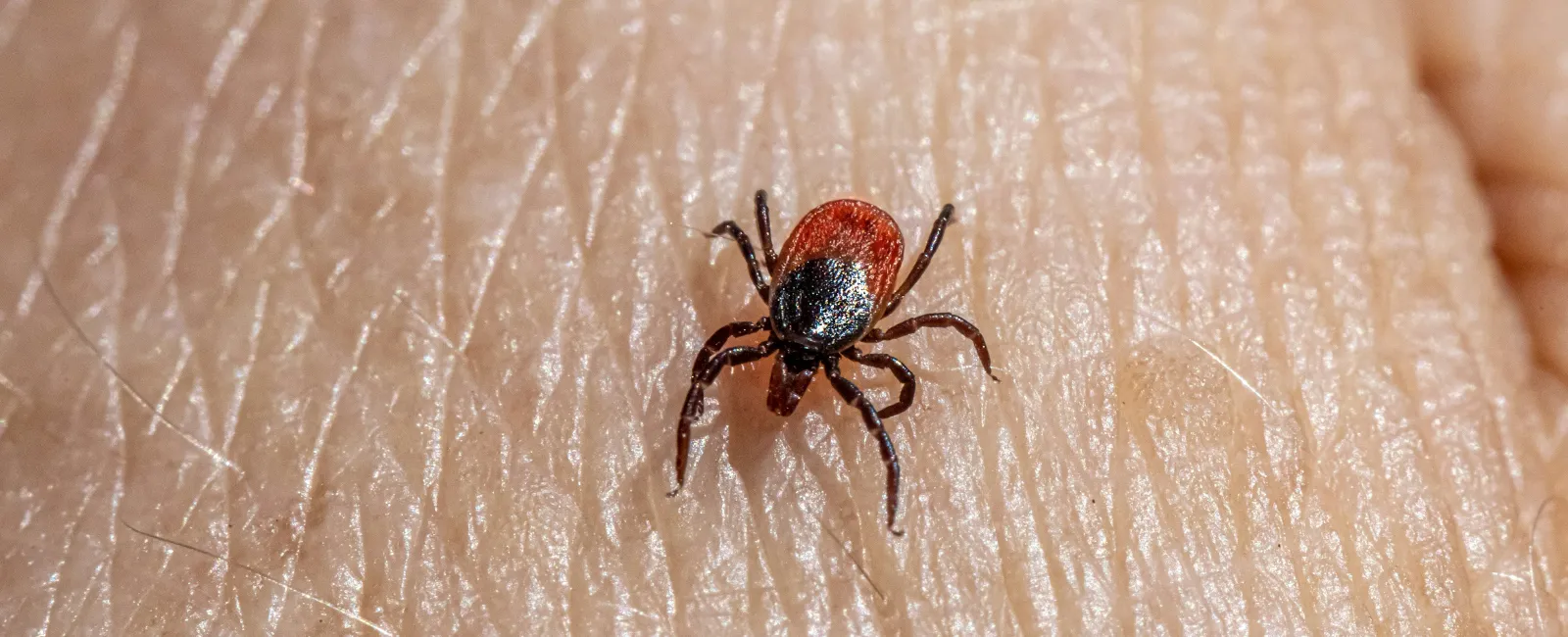
- Ticks are arachnids, more closely related to spiders. They are larger than fleas (usually 3 to 5 mm, bigger when engorged), have eight legs, and crawl instead of jumping.
- Fleas prefer to live on a host and multiply in carpets, bedding, and upholstery.
- Ticks latch on to feed, then drop off, often hiding in tall grass, leaf litter, or wooded edges.
Fleas are more of an in-house nuisance, but ticks pose a greater health risk due to diseases like Lyme disease.
How to Identify Fleas
Fleas rarely sit still, but a few signs give them away:
- Tiny dark specks in pet fur or on bedding (flea dirt, which is actually flea waste)
- Red, itchy bite clusters around ankles, calves, or a pet's belly
- A pet scratching, biting at its tail, or losing patches of fur
- Small black or reddish-brown insects that jump when disturbed
Flea eggs are nearly invisible and fall off pets onto carpets and floors, which is why infestations can spread so quickly. If your pet has fleas, your home could probably have flea eggs.
How to Identify Ticks
Ticks are slower movers and easier to spot once they are attached.
Key identifiers:
- Oval, flat body (until they feed, when they balloon up)
- Eight legs and a small head
- Colors range from brown and black to reddish, depending on the species
- Found in warm, hidden spots like behind ears, armpits, scalp, or between a pet's toes
Common species in U.S. homes include the brown dog tick, deer tick, and American dog tick. The brown dog tick matters most indoors because it can complete its entire life cycle indoors.
Flea vs Tick Bites
Fleas prefer cats and dogs, but will bite people when a pet host is not around. They use powerful back legs to leap on and off, leaving clusters or straight lines of tiny red bumps. Bites usually show up around the ankles, lower legs, or a pet's belly. Symptoms include intense itching, raised red spots, scabs, and sometimes rashes caused by a reaction to flea saliva. Flea bites can trigger allergies and, in rare cases, transmit illnesses like typhus or plague.
Ticks crawl up grass and vegetation, wait for a host to brush by, then latch on and embed their mouthparts into the skin. They feed for several days, swelling as they fill with blood. You may not notice a tick bite until after the tick has dropped off. Symptoms can include localized swelling, a rash around the bite, fever, headache, muscle aches, or joint pain.
The bigger worry with ticks is disease. Ticks can transmit Lyme disease, Rocky Mountain spotted fever, tularemia, and several other tickborne illnesses. If you experience a severe headache, trouble breathing, paralysis, or heart palpitations after a tick bite, seek medical care right away. Early detection and treatment make a big difference.
Where Fleas and Ticks Live
Fleas and ticks favor different environments, but both can end up inside your home.
Fleas love shaded, grassy, humid spots. Yards, gardens, woodpiles, and the edges of lawns are prime flea territory. Once they get indoors on a pet or pant leg, they settle into carpets, pet bedding, and upholstery, where females lay eggs that quickly seed a bigger infestation.
Ticks stick close to places where hosts pass through. Since they cannot fly or jump, they wait on tall grass, wooded edges, leaf piles, brushy borders, bird nests, and rodent burrows, then latch on to anything warm-blooded that walks by. Ticks being indoors are less common, but they can hitchhike in on pets or clothing and hide in cracks, crevices, and baseboards.
How to Check for Ticks
On people, run your fingers through your hair, check behind your ears, inside your waistband, under your arms, behind your knees, and between your toes. A mirror helps with your back and scalp.
On pets, part the fur and feel along the neck, ears, belly, chest, and paws. A tick feels like a tiny bump. If you find one, use fine-tipped tweezers, grip close to the skin, and pull straight up with slow, steady pressure. Avoid twisting or squeezing the body.
How to Get Rid of Fleas in the House Fast Naturally
If you think you have fleas, you can get rid of them with a few simple, natural steps.
- Vacuum every day. Carpets, rugs, upholstery, pet beds, and baseboards. Toss the vacuum bag outside so eggs do not hatch inside.
- Wash fabrics hot. Pet bedding, throws, and sheets go into hot water, then a hot dryer cycle.
- Sprinkle food-grade diatomaceous earth. Dust it lightly on carpets and pet areas, leave it for 24 to 48 hours, then vacuum. It dries out fleas without toxic residue.
- Try a salt-and-baking-soda mix. Sprinkle on carpets, work it in with a broom, and vacuum after a few hours.
- Use a dish soap flea trap. A shallow plate of soapy water under a small lamp at night catches jumping fleas.
- Bathe pets and steam clean. Warm water and mild shampoo drown adult fleas, and steam cleaning kills eggs in carpets and upholstery.
Stay consistent for two to three weeks. Flea eggs keep hatching, so one pass is rarely enough.
How to Get Rid of Ticks in the Yard
- Mow the lawn short and keep it trimmed
- Clear leaf litter, brush, and tall grass near walkways
- Build a three-foot gravel or wood-chip barrier between wooded areas and the lawn
- Stack firewood neatly and off the ground
- Keep deer and rodents out with fencing and sealed trash cans
- Apply a yard-safe tick spray or book a professional yard treatment
Combine yard cleanup with on-pet prevention, and you cut the tick pipeline before it reaches your door.
When DIY Is Not Enough
Natural methods handle most small flea and tick problems, but heavy or recurring infestations usually require professional help, especially with brown dog ticks or deeply rooted flea populations. A pro can identify the pest, find breeding zones, and treat the house and yard together.
If fleas or ticks keep coming back, reach out to Greg's Pest Control. We know how to get rid of tick infestation and flea problems for good, so your home feels like yours again.
Schedule a free inspection with Greg's Pest Control today, or call us to set one up.