
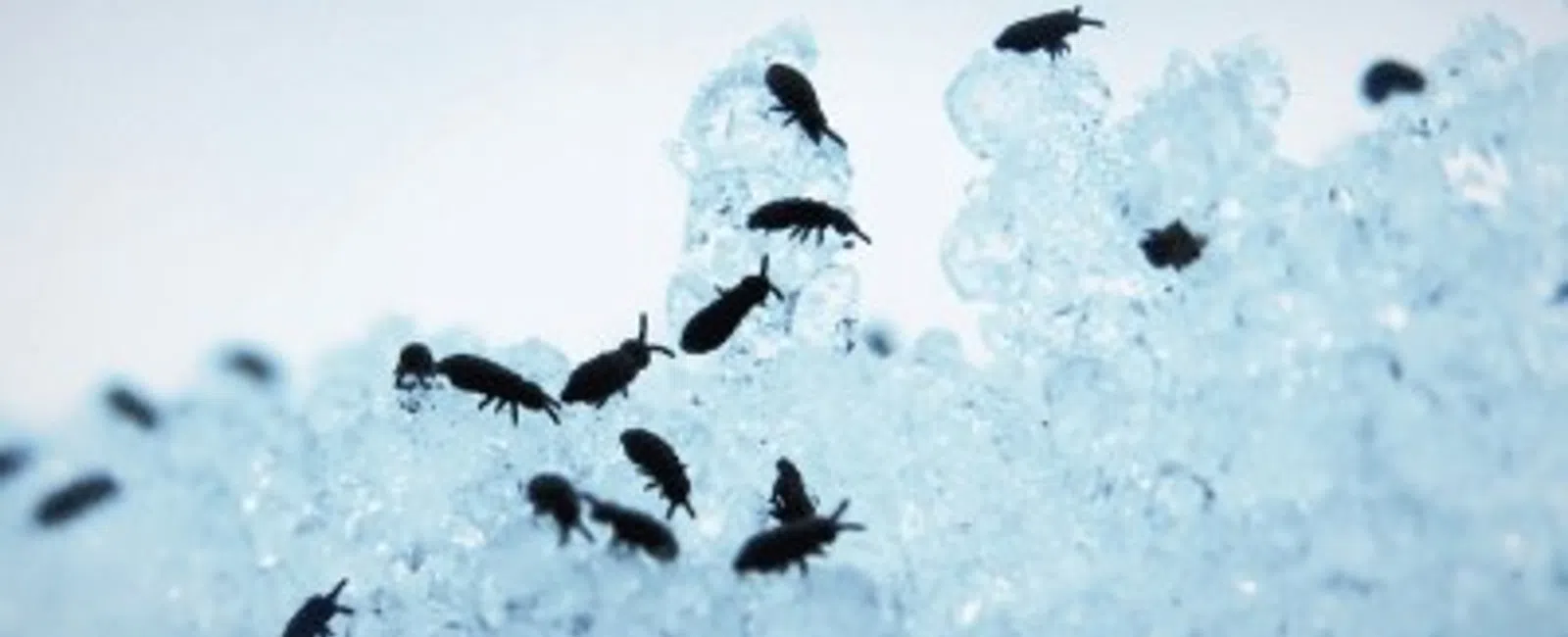
Ants in a kitchen make sense; there's food, crumbs, and a trash can. A bathroom has none of that, which is why finding ants in a bathroom with no food anywhere in the room feels like it should not be happening.
It happens for a reason most articles on the subject skip over; the ants are probably not visiting, They are probably living
there.
Why The Room Without Food Is Often The Room With The Nest
Ants need water as much as they need food, and a bathroom is
the most reliably damp room in a house. Condensation on a toilet tank, a slow
drip under a vanity, the seam where a shower pan meets tile: those are water
sources that never run out.
What matters more is what sits behind the tile. A bathroom
wall carries supply lines, drain lines, and vent stacks, and each penetration is a gap through a wall plate or a stud bay. That creates exactly
the kind of enclosed, humid, undisturbed cavity an ant colony wants, with a built-in water supply and nothing walking through it.
So when someone asks why there are ants in my bathroom, the
honest answer is often that the bathroom is not where the ants ended up. It is
where they set up.
What The Species Common Here Actually Do
Two of the ants Broward homeowners deal with most are
interior nesters, and that changes the whole problem.
Ghost ants are the small pale ones people describe as nearly translucent at the back end, and they are the usual answer to tiny ants in a bathroom. Indoors, they nest inside wall voids and in the gaps between cabinetry and baseboards, and a potted plant works just as well for them. Foragers turn up in kitchens and bathrooms on sinks, counters, and floors. The nest is in the structure, and the trail on your vanity is the commute.
Florida carpenter ants work differently and
matter for a different reason. They do not chew through sound wood. They hollow
out wood already softened by moisture or fungus, which means a carpenter ant
nest inside a bathroom wall usually tells you water has been in that
wall for a while. Interior nesting sites include wall voids with moisture seepage and window and door frames where rain or irrigation has gotten in.
Sugar ants, white-footed ants and crazy ants round out what
shows up in Broward homes. We treat all of them as ant problems rather than separate categories, but species identification changes the approach, which is why it is a step, not a formality.
Signs The Colony Is In The Wall Rather Than Outside
A trail coming in under a door differs from a nest behind the tile, and you can usually tell which you have.
Ants appearing at a consistent spot with no trail leading to
a door or window is the clearest sign. If the line starts at a gap around a
pipe, at the base of a vanity, or at a grout seam and simply stops there, it is
not coming from the yard.
Ants coming out of a wall through an outlet plate, a light fixture, or the escutcheon ring around a shower valve point in the same direction. So does activity that continues in the same place after the room has been
cleaned and nothing is left to attract them.
Two other patterns come up constantly. Ants in a shower,
particularly along the wall rather than the floor, usually mean the nest is
behind the surround. And ants coming from a drain are almost always misread: they are rarely in the drain itself; they are in the wet void the drain line passes through, using the pipe penetration as a doorway.
Winged Ants In A Bathroom Are A Different Message
Finding flying ants in a bathroom means something more
specific than finding workers.
Winged ants are reproductives, and a colony only produces
them once it is mature. Seeing them inside, rather than outside a window,
suggests the colony that produced them is inside with you. For carpenter ants
in Florida, those flights happen through the rainy season, with the heaviest
complaints in spring when reproductives turn up along window ledges and near
sliding doors.
Winged ants also get confused with other swarming insects
constantly, and the two are not the same problem or the same service. Telling flying ants from flying termites comes
down to the waist, the wings, and the antennae, and the difference decides who
should be handling it.
Why Spraying The Trail Tends To Make It Worse
This is the part that costs people months.
Ghost ant colonies frequently contain many reproducing
queens, and new colonies form by budding, meaning a stressed colony splits and
relocates rather than dying. Hit a visible trail with a contact product, and you can turn one nest behind the vanity into several behind the vanity, the linen closet, and the adjoining wall. The trail disappears for a few days, which reads
as success, and then reappears in three places.
That mechanism is the reason ants keep coming back after spraying in South
Florida homes, and it is specific to the species that nest indoors. It is also
why the visible ants are the least useful thing in the room to aim at.
What A Technician Does About A Nest Behind Tile
Nobody is opening your wall. That is worth saying plainly,
because the interior-nest answer makes people picture demolition.
First, our technicians inspect and identify.
Locating active trails, nesting areas, and entry points establishes where the
colony actually is, and identifying the species determines what will work on
it, since a budding colony and a single-queen colony need different handling.
Treatment then works with the ants rather than against them.
Targeted applications, which may include gel baits, granular treatments,
perimeter work, or a combination, are placed to reach the colony at its source.
Bait is what makes a nest inside a void reachable at all: foragers carry it
back through the same pipe penetration they have been using, into a space no
technician needs to enter. That is also why we measure results across visits,
with follow-up to reapply and confirm the colony is gone, rather than in a
single afternoon.
Alongside that, we identify and seal entry points and flag
the moisture conditions keeping the room attractive. One honest limit: if the
reason a wall is damp is a failing supply line or a leaking shower pan, that
repair belongs to a plumber. We will tell you what we found and where, and
treating around an active leak without fixing it means treating the same wall
again.
Why Broward Bathrooms Stay Attractive All Year
There is no season here that takes the pressure off.
Humidity holds year-round, interior conditions stay stable regardless of what
the calendar says, and the colonies nesting in wall voids are insulated from
weather anyway.
Housing stock adds to it. Concrete block construction with
furred-out interior walls, tile throughout, and slab plumbing produce a lot of
enclosed cavities with pipe penetrations running through them. Screened patios
and sliding doors add exterior entry points. None of that is a flaw; it is simply the environment, and it is why little black ants in a bathroom are a recurring South Florida complaint rather than a seasonal one.
Talk To A Certified Technician In Broward County
Greg's Aggressive Pest Solutions has worked in Broward
County for more than 32 years. We are family-owned, our technicians are state-certified, and we apply treatments with the understanding that your family and your animals live in the rooms we are working in.
Ants are covered under our monthly
protection plans, which cover more than 25 common household pests, and the monthly cycle matters here because interior-nesting colonies aren't resolved with a single visit.
If ants keep appearing in a bathroom and you would rather know what is behind the wall than keep wiping down the counter, call us today or request an inspection, and we will come take a look. Our ant control service targets the colony at its source rather than the trail you can see, and ghost ants in South Florida are harder to clear than most homeowners expect once a nest is established in a wall.