
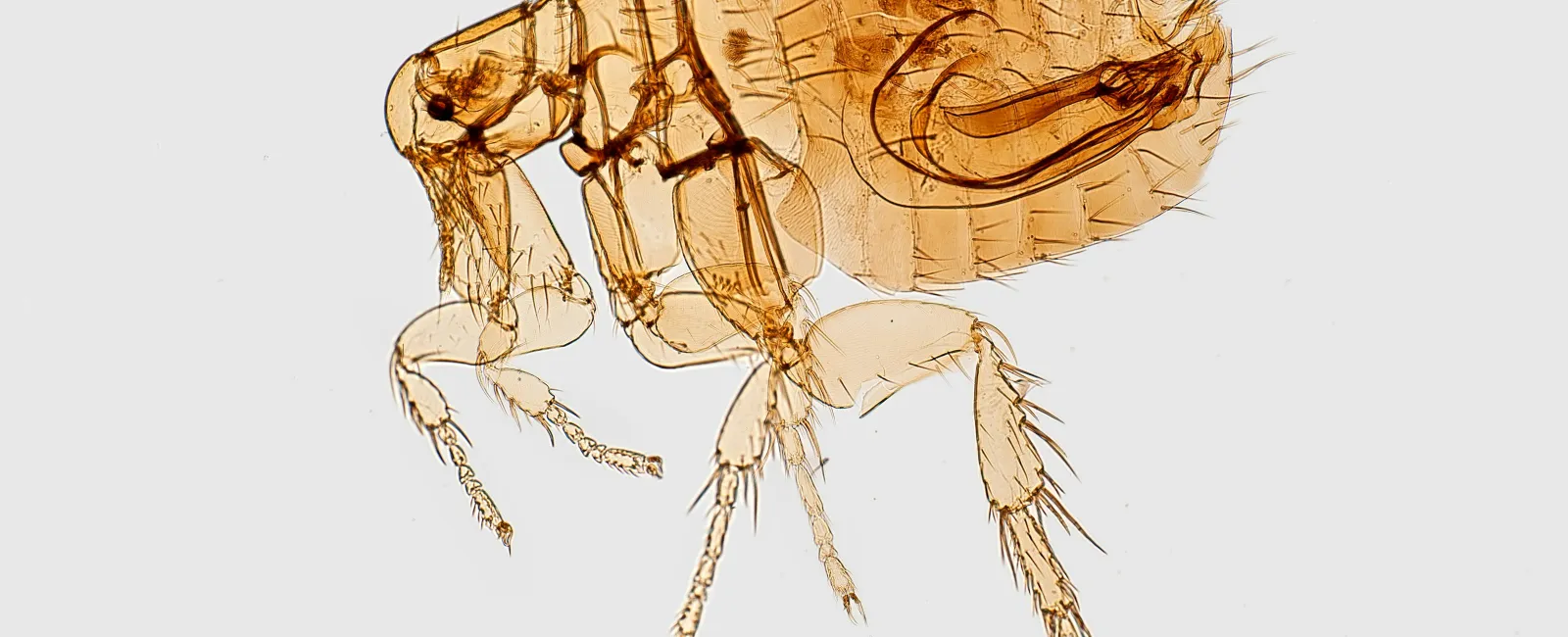
Fleas are one of the most persistent household pests around, and a small infestation can explode into a serious problem within a few weeks. Once you know what to look for, you can get ahead of it before they spread through every room.
How Do You Know If You Have Fleas?
Your Pets Are Scratching Constantly
Constant scratching, biting at the skin, or excessive head shaking in your dog or cat is usually the first red flag. Part your pet's fur and look closely at the skin, particularly around the neck, belly, and base of the tail. Small brown specks moving through the coat confirm your suspicion.
You're Finding Flea Dirt
Flea dirt is flea feces. It looks like tiny black or dark brown specks, similar to ground pepper, and it shows up on pet bedding, furniture, and carpet. To confirm: place some specks on a damp white paper towel. If they turn reddish-brown, it is flea dirt. That color comes from digested blood.
You're Getting Bitten
Flea bites on humans tend to appear in clusters or lines, most often around the ankles, lower legs, and waist. The bites are small, red, and intensely itchy, with a distinct halo of redness around each one. Some people react more severely than others.
You're Seeing Jumping Specks
Put on white socks and walk slowly across your carpet or rugs, especially in areas where your pets spend time. Stand still. If tiny dark specks jump onto your socks or legs, you have confirmed fleas in your house.
You're Spotting Flea Eggs
Flea eggs are tiny, oval-shaped, and white or off-white, roughly the size of a grain of salt. They are laid directly on your pet but fall off easily onto floors, bedding, and furniture. A single female flea can lay up to 50 eggs per day, which is why infestations grow so fast.
Can Fleas Live on Humans?
Fleas prefer hosts with thick fur or feathers, so cats and dogs are their primary targets. That said, they will absolutely bite humans. Fleas cannot sustain themselves on humans the way they do on pets. They bite, feed, and move on.
In a heavily infested home, though, bites can be frequent enough to feel constant. If you are getting bitten without a pet present, fleas are almost certainly hiding in your floors, furniture, or bedding and jumping onto you as you move through the space.
Why Fleas Are So Hard to Eliminate
Here is what most people miss: the fleas you can see are only about 5% of the total infestation. The other 95% are eggs, larvae, and pupae hiding in your carpet, floorboards, and upholstered furniture.
The flea life cycle has four stages: egg, larva, pupa, and adult. The pupa stage is the hardest to kill. The cocoon is highly resistant to insecticides, and pupae can sit dormant for months before hatching when they sense vibration, heat, or carbon dioxide from a nearby host.
How to Get Rid of Fleas in Your House
Step 1: Treat Your Pet First
Talk to your vet about a fast-acting flea treatment. Oral medications can kill fleas within hours. Topical spot-on treatments and flea collars are also effective options. Your pet is the primary food source, so this step cannot be skipped.
Step 2: Wash Everything
Collect all pet bedding, throw blankets, and any fabric your pet regularly contacts. Wash everything on the hottest setting your machine allows. Heat kills fleas at every life stage.
Step 3: Vacuum Thoroughly and Often
Vacuum every inch of carpet, rugs, upholstered furniture, and along baseboards. Focus on corners, under furniture, and anywhere your pet sleeps. Vacuuming pulls out eggs and larvae and also stimulates pupae to hatch, making them more vulnerable to treatment. Empty the canister or bag immediately and dispose of it outside.
Step 4: Treat Your Home
For fleas in carpet and throughout the house, use a product that contains both an insecticide to kill live fleas and an insect growth regulator (IGR) to stop eggs and larvae from developing into adults. The IGR is what most people leave out, and it is the reason infestations keep coming back weeks later.
Step 5: Repeat the Process
Vacuum daily for two weeks. Re-treat your home after 10 to 14 days to catch any newly hatched fleas before they can reproduce. Fleas do not disappear after one round of treatment.
When to Call a Professional
If you have been treating your home for more than three weeks without seeing results, the infestation covers multiple rooms, or you or a family member is having a severe reaction to bites, it is time to bring in a professional.
At Greg's Pest Control, we treat all life stages of the flea life cycle, not just the adults you can see. We assess the level of infestation, treat safely and thoroughly, and give you a clear prevention plan so the problem does not come back.
How to Keep Fleas from Coming Back
- Keep your pet on year-round flea prevention recommended by your vet
- Vacuum regularly, especially in areas where pets spend time
- Wash pet bedding weekly in hot water
- Keep your lawn trimmed, since fleas thrive in tall grass and shaded outdoor areas
- Check your pet after time outside, particularly in wooded or brushy areas
Take Action Before It Gets Worse
A flea infestation does not resolve itself. One missed week can mean thousands of new eggs scattered through your home. The earlier you spot the signs and take action, the easier the whole process becomes.
If you are seeing signs of fleas in your house and want expert help, Greg's Pest Control is ready. We serve homeowners in the area with fast, targeted flea treatment for the home and yard. Call us or request a free inspection today.