
Silverfish are one of the most common house bugs homeowners encounter, yet most people have no idea what they are, where they come from, or whether they are dangerous. Here is everything you need to know about these strange little insects and how to get rid of silverfish if they have made themselves at home.
What Are Silverfish?
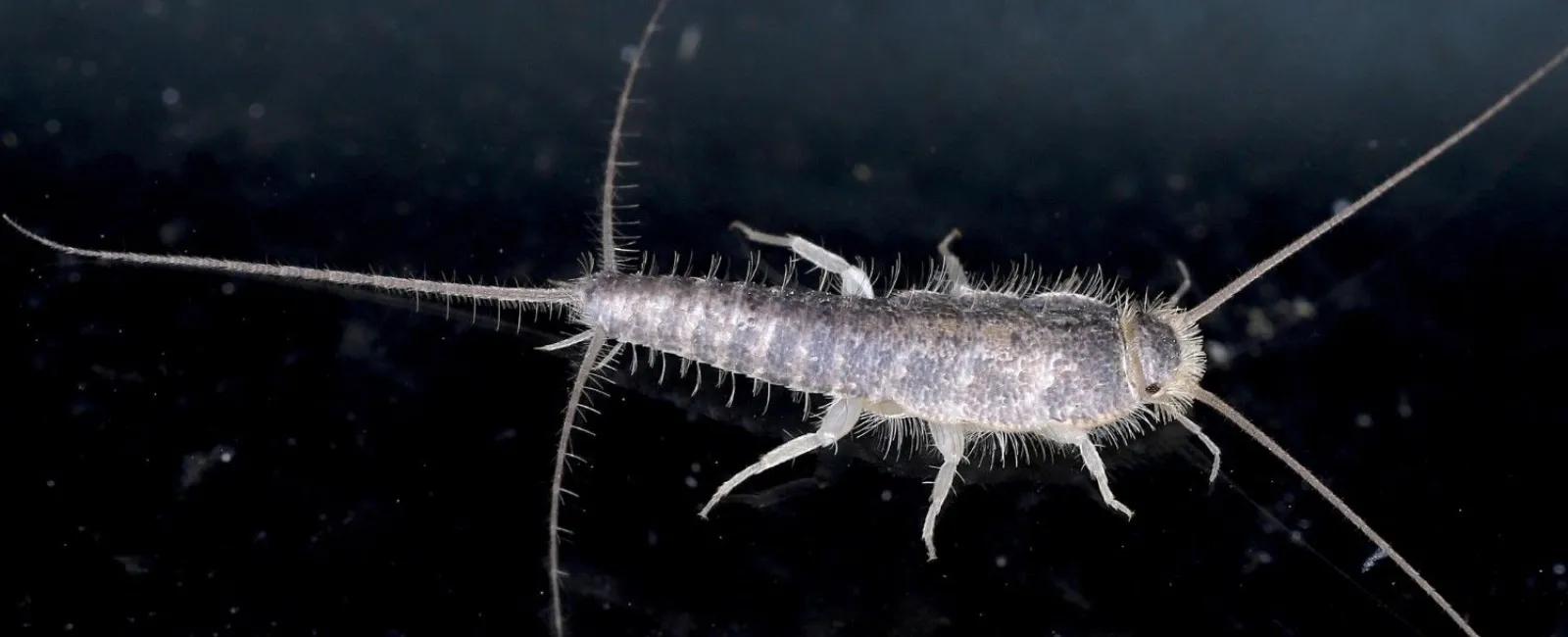
Silverfish are small, wingless insects with a distinctive metallic, silver-gray appearance. Their bodies are flat and tapered, roughly shaped like a carrot or teardrop, and they move in a quick, side-to-side motion that looks a lot like a fish swimming. Adults typically measure about half an inch to three-quarters of an inch long.
They are ancient insects. Silverfish have been around for over 400 million years, which actually predates the dinosaurs. They are incredibly adaptable, and that is a big part of why they are still thriving in homes all over the world today.
Silverfish are nocturnal, which means you are unlikely to see them during the day. Most homeowners only spot them during late-night trips to the bathroom or kitchen, or when moving boxes and furniture that have been sitting undisturbed for a while.
If you have spotted a small, fast-moving bug and are not sure what it is, silverfish are often mistaken for other common house small brown bugs like earwigs or firebrats. The telltale giveaway is the silver sheen and that unmistakable wiggling motion.
Are Silverfish Harmful?
Silverfish do not bite, they do not sting, and they are not known to carry or transmit diseases to humans. So from a health standpoint, they are not dangerous.
That said, silverfish are not exactly harmless either. They feed on starchy materials, which means they can damage belongings over time. Books, wallpaper, photographs, important documents, clothing (especially cotton and linen), and cardboard storage boxes are all fair game. If you have ever pulled a book off the shelf and found small, irregular holes or yellowish stains on the pages, silverfish may have been the cause.
In large numbers, silverfish can also trigger allergic reactions in some people. Their shed scales and droppings can become airborne in enclosed spaces and irritate sensitive individuals.
They are not going to cause structural damage to your home the way termites or carpenter ants would, but ignoring a silverfish problem can lead to slow, steady damage to items you care about.
Where Do Silverfish Come From?
In most cases, silverfish enter homes through small cracks and gaps around foundations, door frames, window seals, and utility lines. They can also hitch a ride inside cardboard boxes, grocery bags, old books, or secondhand furniture. If you have recently brought stored items in from a garage, attic, or storage unit, that is a common entry point.
Once inside, they seek out environments that match their preferred conditions: dark, humid, and undisturbed. Bathrooms, kitchens, basements, laundry rooms, and closets are their favorite spots. In South Florida, where humidity stays high for most of the year, virtually every room in the house can be attractive to silverfish.
They are also surprisingly good at hiding. Silverfish squeeze into the smallest cracks in baseboards, behind wallpaper, inside light switch plates, and underneath appliances. A home can have a growing silverfish population for months before anyone notices.
What Attracts Silverfish to Your Home?
The biggest factors include humidity and moisture (silverfish need humidity levels above 75% to thrive, which is practically the default in Broward County), starchy food sources like paper, cardboard, book bindings, wallpaper paste, and even dry pantry goods like cereal and flour, as well as clutter that provides dark, undisturbed hiding spots.
Homes with poor ventilation, leaky pipes under sinks, or condensation buildup around windows and air conditioning units are especially attractive. If your bathroom stays damp long after showers or your closets feel stuffy and warm, those are prime silverfish zones.
This is also why pest-proofing your home is such an effective long-term strategy. Many of the steps that keep roaches and ants out also work against silverfish.
How to Get Rid of Silverfish
If you are finding silverfish regularly, here is a practical plan to reduce their numbers and make your home less inviting.
- Control the humidity. This is the single most effective step. Use exhaust fans in bathrooms after showers, run a dehumidifier in damp areas, and fix any leaky faucets or pipes. Getting indoor humidity below 60% makes your home far less hospitable to silverfish.
- Eliminate their food sources. Store books, papers, and photos in sealed plastic bins instead of cardboard boxes. Keep dry pantry goods in airtight containers. Remove old newspapers, magazines, and paper bags that may be sitting in closets or the garage.
- Reduce clutter. The fewer dark, undisturbed hiding spots available, the fewer places silverfish can breed. Pay special attention to closets, under-sink cabinets, storage rooms, and garage shelving.
- Seal entry points. Caulk cracks along baseboards, around pipes, and near window frames. Weather-strip exterior doors and repair any gaps in screens. These small fixes go a long way toward keeping silverfish and other common pests in Broward County from getting inside.
- Use sticky traps to monitor activity. Place adhesive traps along baseboards in bathrooms, kitchens, and closets. These will not eliminate an infestation on their own, but they will help you track where silverfish are most active so you can focus your efforts.
- Apply a residual insecticide in key areas. Over-the-counter products labeled for silverfish can be applied along baseboards, behind appliances, and in other hiding spots. For best results, combine this with the moisture and clutter control steps above. A spray alone will not solve the problem if the conditions that attract silverfish remain unchanged.
When to Call a Professional
Dealing with silverfish in house after house is something our technicians see constantly in Broward County. If you have tried the steps above and silverfish keep showing up, or if you are seeing them in multiple rooms throughout the house, the population may be larger than what DIY methods can handle. Silverfish breed slowly compared to roaches, but they can live for up to eight years, which means a well-established colony can be stubborn.
A professional pest control technician can identify the severity of the infestation, locate hidden nesting areas you may have missed, and apply targeted treatments that address the problem at every stage.
At Greg's Pest Control, silverfish are covered under our general household pest control plan alongside 24 other common Florida pests. If small silver bugs are taking over your bathrooms and closets, schedule your inspection today or give us a call. We will find where they are hiding and get them out.