
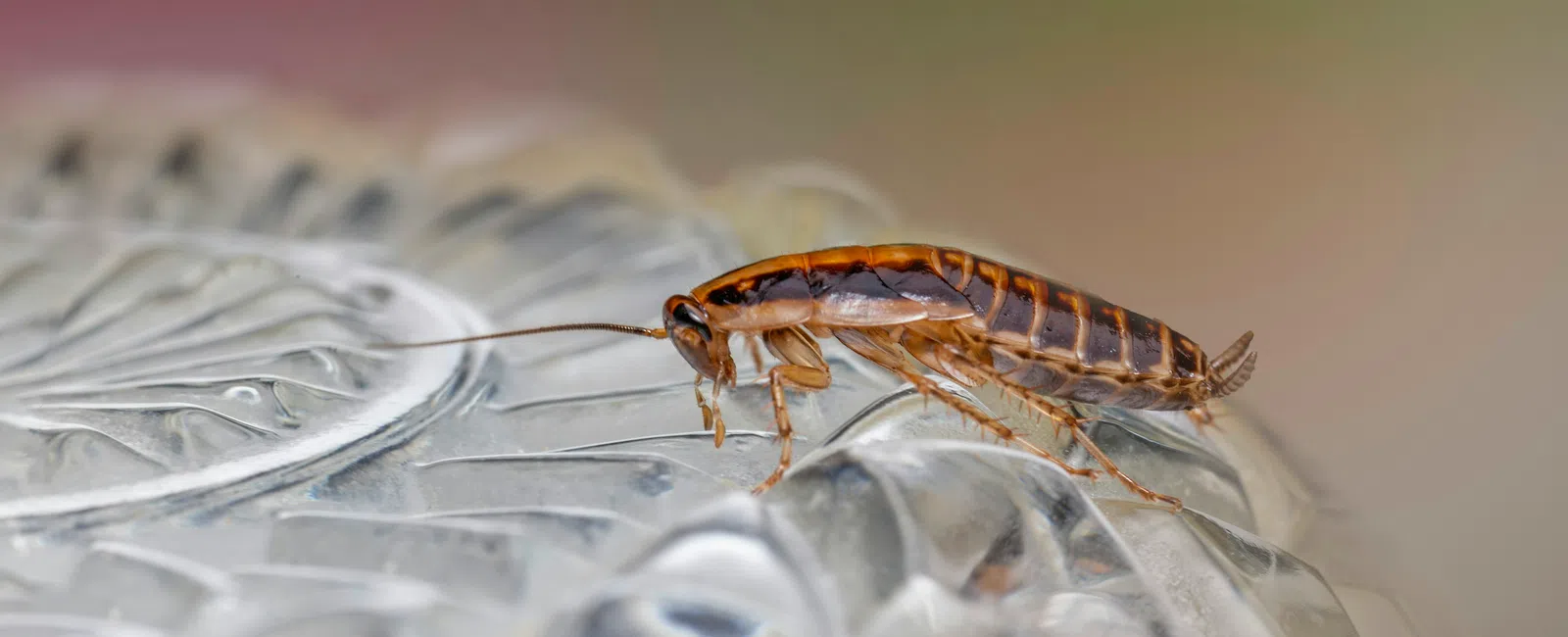
Do Cockroaches Shed Their Skin?
A cockroach's body is wrapped in
a hard exoskeleton that cannot stretch. To grow, a young roach, called a nymph,
splits that shell along its back, pulls itself out into a new, larger skin,
and leaves the old one behind. The cast-off shell is called an exuvia, and the
stage between each molt is called an instar.
Only nymphs molt. A roach grows
its wings at its final molt, and once it is an adult, it stops shedding for
good. That means every shell you find came from a juvenile, and juveniles only
show up where adults are reproducing.
What Does Cockroach Shed Skin Look Like?
A cockroach exoskeleton left
behind after molting keeps the full outline of the insect: six legs, both
antennae, and the shield-shaped plate behind the head. It is usually pale tan to
light brown, thin enough for light to pass through, and brittle enough to
crumble between your fingers. Most have a split running down the back where the
nymph pushed its way out.
Size tells you something too.
Tiny shells came from early-stage nymphs, and larger ones came from roaches
close to adulthood. Finding a mix of sizes in the same cabinet means several
age groups are sharing that space at once.
A German cockroach shed skin is
small, usually no bigger than a fingernail, and tends to turn up in kitchens
and bathrooms. American cockroach shells are larger and more reddish, matching
the big roaches most Broward homeowners call palmetto bugs. Knowing the
difference between German and
American cockroaches helps narrow down where the colony is living, because
the two species prefer very different hiding spots.
Shed Skins vs. Egg Cases and Droppings
Three kinds of roach evidence
get confused all the time. A shed skin is shaped like a whole roach and is
hollow inside. A roach casing, the egg capsule a female produces, is a small
brown purse-shaped capsule with a ridge along one edge and no legs at all, and cockroach
egg cases have their own identification clues depending on the species.
Droppings are smaller still, dark specks that look like coffee grounds or
ground pepper. When all three turn up in the same area, they point to a
population that is feeding, breeding, and growing inside the house.
Why That Roach Looks White
Right after molting, a roach's
new exoskeleton is soft and almost colorless. For a short window, it looks pure
white, which is why people who spot white roaches in house cabinets often
assume they found an albino or some rare species. Neither is true. Within a few
hours, the new shell hardens and darkens to the usual brown or reddish brown.
So what does a white roach mean?
It means you caught a nymph during the brief stretch it spends soft and
vulnerable. Roaches normally molt tucked inside a crack, a wall void or the
back of an appliance, so a white one out in the open is worth paying attention
to. Where there is one freshly molted nymph, there are usually others at
earlier and later stages close by.
How Often Cockroaches Molt, by Species
Depending on the species, a
cockroach molts somewhere between 6 and 14 times before it becomes an adult.
The pace varies a lot between the roaches found in South Florida homes.
German cockroaches, the small
indoor roaches that crowd kitchens and bathrooms, most often molt six times and
finish growing in about 60 days at room temperature. That speed is a big reason
a German roach problem can go from a few sightings to a packed cabinet within a
single season.
American cockroaches molt
anywhere from 6 to 14 times and need roughly six to twelve months to mature.
They leave fewer shells per month, but each one is larger and easier to spot
along garage walls, attics, and utility areas.
What a Pile of Shells Says About Your Home
One shell under the sink doesn't prove a current problem. Shells can sit untouched for months, and some are
left over from an infestation that already ended. A steady supply of new ones
is different. If you clear out a cabinet and find fresh shells there again a
few weeks later, nymphs are actively growing in that space.
Location matters as much as
quantity. Shells collect where roaches rest during the day: behind the
refrigerator, under sink cabinets, along cabinet hinges, inside appliance
housings, and in the gap behind baseboards. Because roaches
come out at night and spend daylight hours packed into these voids, a shell
is often the first thing a homeowner sees before ever spotting a live roach.
Shells also carry a health
angle. Cockroach saliva, droppings, and shed body parts contain proteins that can trigger allergies and asthma, and industry estimates put cockroach
allergens in about 63 percent of U.S. homes. Crumbling shells add to that load,
which is part of the broader link between cockroach
allergies and asthma in South Florida homes.
Why Shells Keep Turning Up After You Clean
Vacuuming up shells removes the
evidence, not the source. Roaches also eat shed skins for the nutrients, so the
shells you find are only part of what was there. The nymphs that produced them
are still inside the wall void or cabinet joint, and they will keep molting
until they become adults that start producing egg cases of their own.
This is when most homeowners bring in help. When shells show up in more than one room, or keep coming back after a deep clean, the colony has spread beyond what surface cleaning can reach. Greg's cockroach extermination service starts with an inspection to find the harborage, then targets both the roaches you see and the nymphs still developing out of sight.
Treatment can include growth regulators that keep nymphs from completing their
next molt, which breaks the cycle producing those shells in the first place,
and regular monthly
pest control visits keep that pressure on through South Florida's long warm
season.
Talk to a Broward County Roach Technician
Empty cockroach shells mean something is growing in your home right now, and the sooner you find the harborage, the fewer molts that colony gets through.
Greg's Aggressive Pest
Solutions has handled roach problems across Broward County for over 32 years,
in cities like Coral Springs, Fort Lauderdale, Hollywood, Pembroke Pines, and
Weston, and backs every treatment with a satisfaction guarantee, so call us today to schedule an inspection and get a technician's read on exactly
where those shells are coming from.