
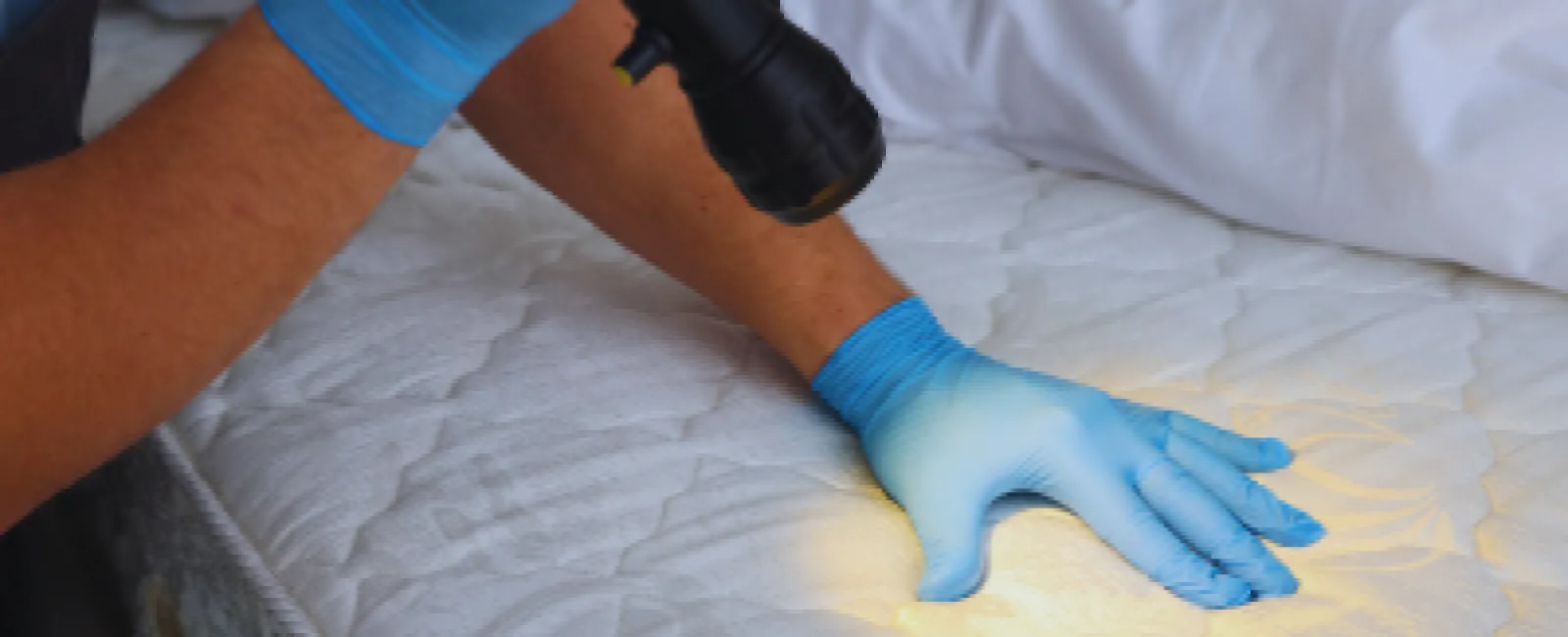
Bed bugs are one of the most dreaded pest problems a homeowner can face. They are small, sneaky, and fast to multiply. If you have found yourself waking up with unexplained bites or noticing dark spots on your mattress, you are probably wondering: what actually causes bed bugs?
The short answer is that bed bugs do not appear out of nowhere. They are hitchhikers. They travel from one place to another by attaching to luggage, clothing, furniture, and personal belongings. Understanding exactly where they come from is the first step toward keeping them out of your Broward County home.
Bed Bugs Have Nothing to Do With Cleanliness
This is one of the most common misconceptions our team hears from homeowners across Coral Springs, Fort Lauderdale, and Pembroke Pines. Bed bugs do not care how clean your house is. A spotless home can get bed bugs just as easily as any other. These pests are not attracted to dirt or food waste. They are attracted to one thing: you. More specifically, the carbon dioxide and warmth your body produces while you sleep.
So if cleanliness is not the issue, what causes bed bugs?
The Most Common Causes of Bed Bug Infestations
1. Travel
Hotels, motels, Airbnbs, and cruise ships are among the most frequent sources of bed bug exposure. Bed bugs hide in mattress seams, headboards, and upholstered furniture in guest rooms and latch onto luggage, clothing, and tote bags waiting to be carried home.
South Florida is a major travel hub. Whether you are flying in and out of Fort Lauderdale-Hollywood International Airport, staying near the cruise port in Miami, or hosting relatives from out of town, the risk of bringing bed bugs home with you is real.
What to do: When traveling, inspect the mattress seams and headboard before settling in. Keep luggage off the floor and away from the bed. When you return home, wash all clothing immediately in hot water and inspect your bags before bringing them inside.
2. Secondhand Furniture and Clothing
Picking up a used couch, mattress, or bed frame is one of the fastest ways to introduce bed bugs into your home. This is especially relevant in South Florida, where estate sales, thrift stores, Facebook Marketplace, and curbside pickups are popular.
Bed bugs can survive for months without feeding, which means an infested piece of furniture that has been sitting in a storage unit or garage can still carry live bugs and eggs by the time it reaches your living room.
What to do: Never bring a used mattress or upholstered furniture into your home without a thorough inspection first. Look for live bugs, shed skins, small white eggs, or tiny rust-colored stains. When in doubt, pass on it.
3. Multi-Unit Housing
Apartment complexes and condominiums are high-risk environments for bed bug spread. In multi-unit housing, bed bugs travel through wall voids, electrical outlets, baseboards, and gaps under doors to move from one unit to the next. You could be the most cautious tenant in the building and still end up with an infestation because of what is happening in a neighboring unit.
This is a particularly relevant concern in dense areas like Fort Lauderdale, Hollywood, and Miramar, where multi-family housing is common.
4. Public Spaces and High-Traffic Areas
Bed bugs are not limited to sleeping areas. They can be picked up in movie theaters, on public transportation, in waiting rooms, at schools, hospitals, and even laundromats. Any place with upholstered seating and high foot traffic is a potential exposure point.
After visiting one of these spaces, they can cling to your clothing and hitch a ride straight into your home.
5. Visitors and Overnight Guests
Guests staying in your home can unknowingly bring bed bugs with them if they have an active infestation at home or have recently stayed somewhere that was infested. The same goes for children who spend time at sleepovers or college students returning home with luggage.
Signs You Might Have Bed Bugs
Once bed bugs are inside, they spread quickly. One pregnant female can establish a full infestation in a matter of weeks, which is why early detection is so important.
Common signs include:
- Bed bug bites on your arms, neck, or legs often appear in lines or clusters. Note: Some people have no visible reaction, so bites alone are not a definitive sign.
- Dark or rusty-colored stains on your mattress, sheets, or box spring are from bed bug excrement.
- Tiny pale yellow shed skins near mattress seams or behind headboards.
- A musty, sweet odor in the room, especially in severe infestations.
- Live bugs in mattress seams, behind picture frames, inside electrical outlets, or in furniture joints.
You might also notice no signs of bed bugs, but still have bites. This happens frequently, especially in early-stage infestations where bugs are few and well hidden. If something feels off, trust your instincts and call a professional.
What Kills Bed Bugs?
This is one of the most searched questions homeowners ask after discovering an infestation, and for good reason. DIY approaches are tempting, but bed bugs are notoriously difficult to eliminate without professional treatment.
Over-the-counter sprays and foggers rarely penetrate the hiding spots bed bugs use. Bugs and eggs tucked inside mattress seams, behind baseboards, and inside electrical outlets are largely unaffected by surface-level treatments. Worse, ineffective treatments can scatter bugs deeper into walls and furniture, making the problem harder to treat.
Professional bed bug treatment options include heat treatment, which raises room temperatures to levels that kill bugs at all life stages, and targeted chemical treatments applied to the specific areas where bugs harbor.
Bugs That Look Like Bed Bugs
Not every small bug in your bedroom is a bed bug. Spider beetles, bat bugs, carpet beetles, and booklice are all commonly mistaken for bed bugs. Getting a proper identification from a licensed pest control professional before treating is important. Misidentification leads to wasted money and ongoing stress.
South Florida's Climate Makes Things Worse
Florida's warm, humid climate is ideal for bed bug activity. These pests thrive in temperatures between 70 and 80 degrees Fahrenheit, which describes most of Broward County for the majority of the year. Faster reproduction cycles and year-round activity make prevention and early intervention especially critical for South Florida homeowners.
How to Prevent Bed Bugs
Prevention is far easier than treatment. Here are practical steps South Florida homeowners can take:
- Inspect hotel rooms before sleeping, and keep luggage on hard surfaces or in the bathroom.
- Wash and dry all clothing on high heat immediately after returning from a trip.
- Avoid bringing secondhand upholstered furniture into your home without a full inspection.
- Use mattress and box spring encasements to eliminate hiding spots.
- Vacuum regularly, especially along baseboards, mattress seams, and upholstered furniture.
- Reduce clutter, which gives bed bugs more places to hide and makes inspections harder.
When to Call a Professional
If you suspect bed bugs, do not wait. An infestation that starts with a few bugs can grow significantly within weeks. Early treatment is faster, less disruptive, and more affordable than waiting until the problem is widespread.
Greg's Aggressive Pest Solutions has been serving Broward County homeowners since 1993. The team is licensed, experienced with bed bug removal, and committed to protecting your home and family.
If you are seeing signs of bed bugs, schedule service online.