
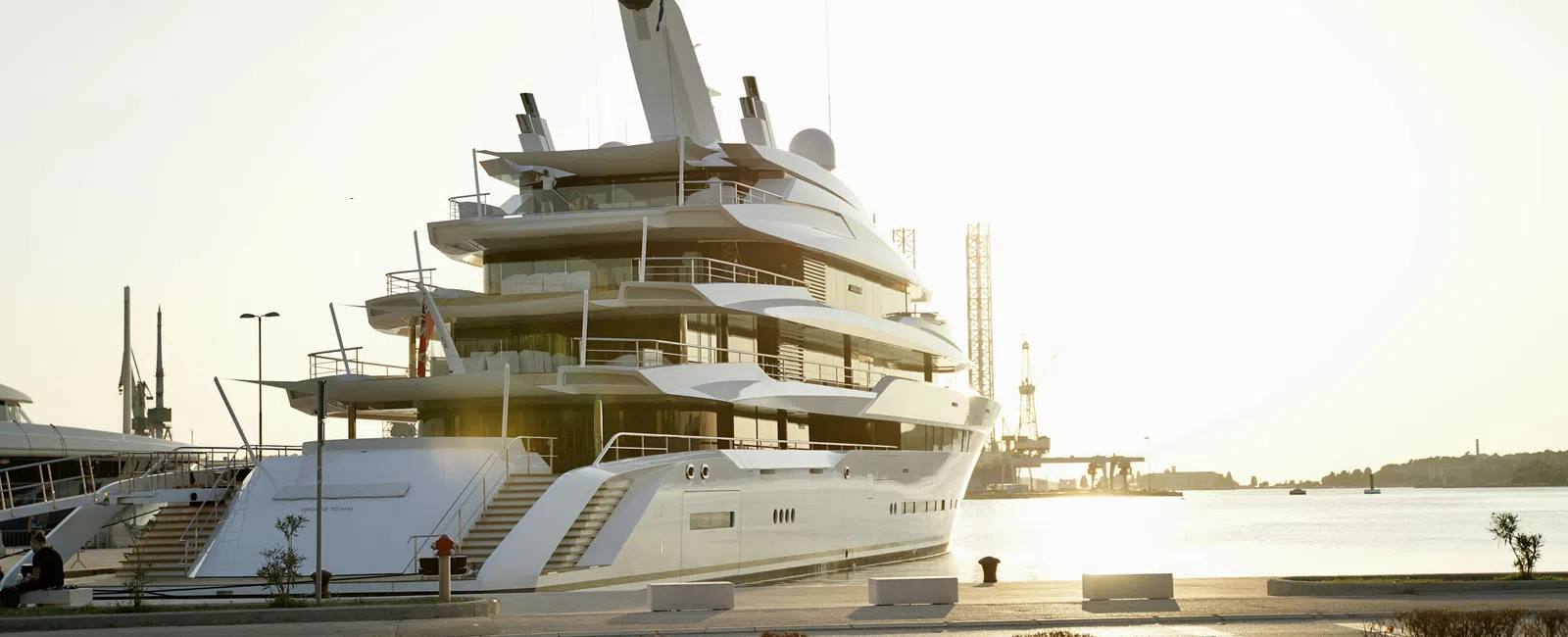
Pests get aboard in three ways. You carry them on, they walk down the lines that tie you to the dock, or they hatch in water you left sitting somewhere on the vessel. Knowing which of the three you are dealing with is what separates a problem that gets solved from one that keeps coming back every few weeks.
Why A Boat Is A Harder Target Than A House
South Florida mornings sit above 80 percent humidity for most of the year, and late summer is worse. A closed-up cabin sitting in that air, with limited ventilation and dozens of enclosed voids behind joinery, holds moisture the way few houses do.
That matters because moisture is one of the three things insects need to establish a population. Food, water, and harborage decide whether a few stragglers become a colony. A boat supplies all three in a compact space, and it packs them into voids that are difficult to reach without knowing the vessel.
There is also a legal dimension most boat owners never encounter. Florida law classifies a boat, ship, wharf, and dock as a structure for pest control purposes. Treating a vessel in this state is regulated structural pest control, which means a licensed operator must perform it. A marine detailer or canvas shop can't legally help, which is why certified technicians handle pest control for boats and yachts rather than dock staff.
Route One: What You Carry Aboard
This route accounts for the two infestations boat owners dread most.
German cockroaches are the small tan roach with two dark stripes behind the head, and they are the ones that build into a real infestation. They do not wander in from outside; instead, people move them, and they arrive in provisioning boxes, grocery bags, backpacks, purses, and used appliances. Every one of those crosses your gangway.
Their reproduction explains the urgency. A single egg case holds dozens of young; one female can produce hundreds over her lifetime, and a new generation turns over in a matter of months. A few provisioning runs before anyone notices anything is enough for a population to establish behind the galley joinery. The difference between German and American cockroaches decides which treatment approach actually works, because the large outdoor roach most people call a palmetto bug behaves nothing like the small indoor one.
Bed bugs travel the same way. They hitchhike on luggage, bedding, boxes, clothing, and furniture, and cleanliness has nothing to do with whether they show up. They turn up in five-star hotels as readily as anywhere else. Charter guests, crew changes, a duffel that spent a night ashore, secondhand cushions and mattresses all qualify. Bed bugs can also survive months without feeding, which is why a vessel that sits unused between charters does not clear itself.
Route Two: The Lines That Tie You To The Dock
Every mooring line is a bridge. So is every shore power cord, every water hose, and every gangway.
Roof rats are the rat South Florida property owners deal with most, and they prefer to nest well off the ground. They will climb almost anything their claws can hold, including wires, pipes, and rough walls. They squeeze through gaps far narrower than most people expect, and they swim well.
The mooring line route is old news in commercial shipping, where rats have long been documented boarding vessels along the lines that connect them to shore, and where fitting guards to those lines is standard practice. Rats have also been recorded swimming to and from moored boats. The physical route is no different at a Broward marina than it is at a commercial dock.
Onboard, the damage is not limited to droppings and chewed provisions. Rats gnaw electrical wiring, and chewed wiring starts fires. On a vessel packed with wiring runs behind inaccessible panels, that outcome is worth preventing, and it's why ongoing rodent control matters more on a boat than in a garage.
Ants use the same bridges. Ghost ants have been a major South Florida pest for decades. Their colonies hold multiple queens, and they form new colonies by budding, where a queen and a group of workers simply leave and set up elsewhere. They nest in wall voids and gaps between cabinetry, and they prefer humid conditions. A boat is a stack of small voids sitting in humid air. Ghost ants in South Florida are difficult to eliminate because the wrong product applied the wrong way scatters the problem instead of ending it, and repellent products used near baits make those baits useless.
Route Three: The Water You Left Standing
The mosquitoes biting you at the dock are often being produced on your own boat.
The species responsible are container breeders. They do not need a canal or a lake. They need a small pocket of still water that sits undisturbed for a week or so, and they will use almost anything that holds it. A surprisingly small amount is enough, and the cycle from egg to biting adult runs in a matter of days rather than weeks.
On a boat, that means a cockpit cover holding a puddle, a dinghy left uncovered, a bilge that is not pumping dry, a live well, a cooler, a fender bucket, a cup holder. Rainwater collects, sits, and produces adults. Checking and emptying those spots every few days breaks the cycle. Effective mosquito control around a docked vessel is mostly about finding those sources before the cycle completes, which is difficult from the dock and straightforward during a scheduled inspection.
The Pests Broward Boat Owners Actually Encounter
| Pest | How it Gets Aboard | Where it Settles |
|---|---|---|
| German Cockroach | Carried on in provisions, boxes, bags | Galley voids, behind joinery, near water |
| American Cockroach/Palmetto Bug | Wanders in from docks, drains, overhanging trees | Lockers, bilges, damp lower spaces |
| Ghost Ant | Trails in over lines and gangways | Small voids, cabinetry gaps, wall spaces |
| Roof Rat | Climbs mooring lines, shore cords, gangways | Engine spaces, lazarettes, behind panels |
| Container Mosquito | Hatches from standing water on board | Bilges, covers, dinghies, live wells |
| Bed Bug | Carried on in luggage and bedding | Berths, cushions, seams and folds |
| Mud Dauber & Paper Wasp | Flies into sheltered, covered spaces | Protected undersides, covered equipment |
Wasps deserve a note of their own. Mud daubers and paper wasps look for sheltered, protected spots to build, and they are known for choosing covered machinery and equipment that has been left alone for a while. Anyone who has pulled a cover off a vessel that sat for a season already knows how that turns out. Bee and wasp removal on a boat is worth handling before a nest is established rather than after.
What Ongoing Protection Looks Like On A Vessel
One-time treatments fail on boats for the same reason they fail on houses in this climate, and then some. The vessel keeps moving, keeps taking on provisions, keeps receiving guests, and stays connected to the dock. Each one is a fresh introduction.
What works is scheduled service that treats the boat as what Florida law already calls it, a structure. That means inspecting the voids where populations establish, targeted treatment rather than broad spraying that scatters budding ant colonies, source reduction for standing water, and exclusion work at the points where lines and cords meet the vessel.
Greg's Aggressive Pest Solutions has worked in Broward County for more than 32 years. The company is family-owned and state-certified, and its monthly protection plans cover 25 or more common pests using pet- and family-conscious treatments applied by certified technicians. Our yacht and boat pest control service extends that same monthly coverage to vessels docked across the county, handled discreetly at the slip. Boats moored in Fort Lauderdale, Pompano Beach, Dania Beach, Hollywood, and Lauderdale-by-the-Sea are all within the service area, and Fort Lauderdale pest control customers frequently carry the same plan across a home and a vessel.